


A federal judge in Alabama dismissed all Anti-Terrorism Act claims against Binance, its former CEO Changpeng Zhao, and BAM Trading Services on March 12, calling the lawsuit a “shotgun pleading” riddled with procedural defects. Binance celebrated the ruling as a “full and complete legal victory,” but the dismissal came without prejudice, meaning plaintiffs have until April 10 to refile a restructured complaint.
KEY TAKEAWAYS
- U.S. Magistrate Judge Chad W. Bryan dismissed all ATA, Alien Tort Statute, and negligence claims against Binance in a 19-page ruling, finding the complaint “legally and factually deficient.”
- This is Binance’s second ATA dismissal in two weeks, following a separate ruling in the Southern District of New York that rejected claims on substantive grounds.
- The Alabama dismissal is procedural, not final. Plaintiffs can refile by April 10, 2026, and Binance still faces a DOJ probe into alleged Iranian fund flows.
Judge Bryan Called the 100-Page Complaint a ‘Shotgun Pleading’
U.S. Magistrate Judge Chad W. Bryan of the Middle District of Alabama issued a 19-page order dismissing the lawsuit, which was brought by victims and relatives of victims of attacks attributed to Hamas and Palestinian Islamic Jihad.
The complaint exceeded 100 pages with “hundreds of separate allegations” but failed to meet basic federal pleading standards. Judge Bryan ruled the plaintiffs grouped all defendants together without identifying specific actions by each entity and failed to clarify which plaintiffs asserted particular claims against which defendants.
In legal terms, a “shotgun pleading” forces courts and defendants to sift through hundreds of paragraphs to understand individual claims, violating the federal requirement for a “short and plain statement” of each claim. The court found the filing deficient on this structural basis alone.
Binance announced the ruling on X shortly after it was issued:
We’re proud to announce that a U.S. federal court in Alabama has dismissed all claims against #Binance in a lawsuit brought under the Anti-Terrorism Act.
This ruling comes just days after a separate U.S. federal court in the Southern District of New York also dismissed all ATA… pic.twitter.com/IgrKKmKk62
— Binance (@binance) March 12, 2026
Source: @binance on X
Bulls See Legal Momentum Building Across Multiple Courts
For Binance supporters, the Alabama ruling caps a remarkable stretch of legal wins. A Manhattan federal court in the Southern District of New York dismissed comparable ATA allegations just days earlier, concluding that plaintiffs could not establish adequate links between the exchange’s operations and specific violent incidents.
The SDNY ruling is arguably more significant than the Alabama one. While the Alabama dismissal was based on procedural defects in how the complaint was written, the New York court rejected the claims on substantive grounds, finding insufficient connection between Binance’s conduct and the attacks cited by plaintiffs.
Eleanor Hughes, Binance’s General Counsel, framed the outcome in broad terms. “This decision reinforces our unwavering commitment to protecting Binance and our community from unsubstantiated and bad-faith lawsuits,” she stated in the company’s press release.
The ATA wins also follow the SEC’s decision to drop its landmark lawsuit against Binance in May 2025, which had alleged illegal service to U.S. users, inflated trading volumes, and commingled customer funds. That case’s dismissal was part of a broader SEC pivot away from crypto enforcement that drew sharp criticism from Democratic lawmakers.
Bears Flag Procedural Nature and Ongoing Federal Probes
Skeptics have a counterargument. The Alabama dismissal was without prejudice, meaning it does not prevent the case from being refiled. The court gave plaintiffs until April 10, 2026, to submit a restructured complaint that clearly delineates which plaintiffs are bringing claims against specific defendants and establishes direct connections between alleged actions and described harms.
If the plaintiffs fix the structural defects Judge Bryan identified, the case could proceed to discovery and potentially trial. A dismissal for bad pleading is not the same as a ruling that the underlying claims lack merit.
Beyond the ATA cases, Binance still operates under a U.S.-appointed compliance monitor stemming from its $4.3 billion guilty plea in 2023 for violating anti-money laundering and sanctions laws. That plea included admissions that Binance failed to prevent transactions with Hamas’s Al-Qassam Brigades, Palestinian Islamic Jihad, Al Qaeda, and ISIS.
More recently, the U.S. Department of Justice has been investigating whether Iranian networks used Binance to move funds in violation of American sanctions. Binance has responded by filing a defamation lawsuit against The Wall Street Journal over its reporting on the matter.
Founder Changpeng Zhao, who served four months in prison as part of the 2023 plea deal, received a presidential pardon in October 2025. That pardon itself became a point of political contention, with Senator Elizabeth Warren pressing the DOJ about the Trump administration’s ties to Binance.
BNB Barely Moved as Broader Market Sits in Extreme Fear
Despite the legal headlines, BNB traded at $649.45 at press time, down 0.53% over 24 hours. The muted price reaction suggests the market may have already priced in a favorable outcome, or that investors are weighing the legal wins against the unresolved federal probes.
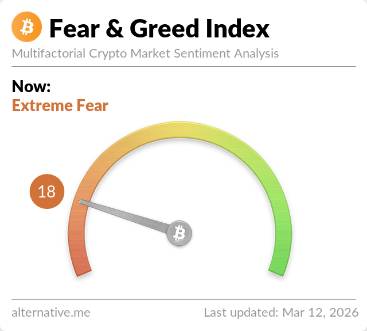
The broader crypto market remains in a risk-off posture. The Crypto Fear & Greed Index sat at 18, deep in “Extreme Fear” territory, down from 22 a week ago and a low of 9 last month.
April 10 Deadline Sets the Next Legal Milestone
The immediate question is whether the Alabama plaintiffs can craft a complaint that survives judicial scrutiny. The revised filing must separate legal claims into individual counts, clearly identify which plaintiffs bring each claim against which defendant, and explain how each defendant’s conduct allegedly connects to each plaintiff’s injuries.
If the amended complaint addresses Judge Bryan’s concerns, the case moves forward. If it falls short, the judge warned the action faces permanent dismissal. Meanwhile, the separate FTX clawback lawsuit seeking $1.76 billion from Binance remains active in another court.
For Binance, the legal trajectory points in two directions simultaneously. The ATA and SEC victories suggest the exchange is successfully defending against claims that it facilitated crime. The ongoing DOJ investigation and compliance monitor suggest federal authorities are not done scrutinizing its operations.
Disclaimer: This article is for informational purposes only and does not constitute financial, legal, or investment advice. Cryptocurrency investments carry significant risk. Always conduct your own research before making any financial decisions.