
U.S. spot Bitcoin ETFs shed $171 million in a single day as investors rushed to reduce exposure ahead of a weekend marked by heightened geopolitical tensions, reinforcing a pattern of risk-off positioning that has dogged crypto markets throughout March 2026.
Bitcoin ETFs Record $171M in Net Outflows in a Single Day
The $171 million in net redemptions represented the largest single-day outflow from U.S. spot Bitcoin ETFs in three weeks. The sell-off hit multiple funds, with broad-based withdrawals across the ETF complex rather than concentrated in any single product.
The outflow day followed a volatile stretch for Bitcoin ETF flows in March. Earlier in the week, funds had briefly reversed the trend, with $167 million in inflows recorded on Monday amid conflicting reports on the geopolitical situation. That reversal proved short-lived.
The broader outflow trend this month has been significant. War-related uncertainty earlier in March had already sparked billions in cumulative ETF outflows, underscoring how sensitive institutional Bitcoin positioning has become to macro risk events. That volatility coincided with a period of large-scale whale accumulation, suggesting deep-pocketed holders viewed the dips as buying opportunities even as ETF investors retreated.

Geopolitical Fear Ahead of the Weekend Spooked Crypto Markets
The catalyst was straightforward: investors did not want to hold volatile crypto exposure over a weekend when geopolitical escalation could move markets while traditional exchanges sat closed. Bitcoin trades 24/7, but liquidity thins dramatically on weekends, amplifying price swings.
This weekend liquidity gap creates a structural incentive for institutional holders to de-risk on Fridays. When geopolitical headlines suggest potential escalation, that incentive intensifies. The fear of weekend war escalation specifically triggered this round of withdrawals, according to Cointelegraph reporting.
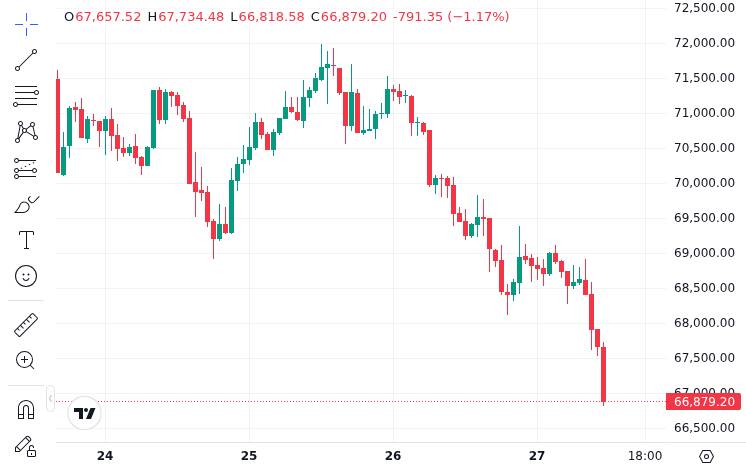
Bitcoin’s price reflected the pressure. Reporting from The Block indicated the price slipped back below $70,000 amid the renewed outflows, a level that had served as a psychological floor for much of the month.

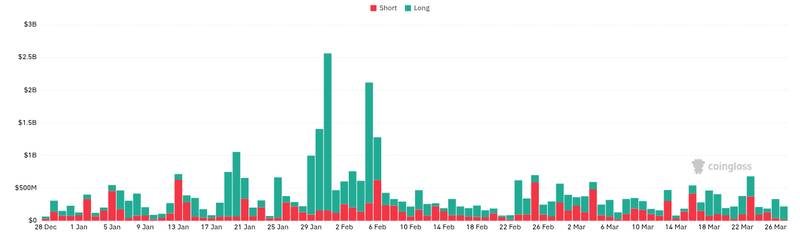
The geopolitical overhang has rippled beyond just ETF flows. Regulatory scrutiny of crypto infrastructure has also intensified this month, with a U.S. lawmaker demanding answers about Kraken’s Fed master account and the UK imposing sanctions on Xinbi over illicit finance concerns. The combined effect has kept institutional sentiment cautious.
What the Outflow Wave Signals for Bitcoin’s Short-Term Outlook
The $171 million outflow, while notable, fits a pattern of short-lived geopolitical reactions followed by recoveries. Data highlighted by ainvest showed that recent inflow surges have repeatedly reversed prior outflow trends in 2026, suggesting institutional demand remains structurally intact even as day-to-day flows whipsaw.
The Monday inflows of $167 million earlier this same week illustrate the point: capital returned quickly once weekend risk passed without major escalation. Whether the same pattern holds next week depends on developments over the coming days.
For now, the $70,000 level is the line to watch. A sustained break below it on elevated ETF outflows would signal something more than a weekend hedge. A bounce back above it with renewed inflows would confirm this was, once again, a temporary risk-off pause driven by fear rather than fundamental deterioration in institutional appetite for Bitcoin exposure.
Disclaimer: This article is for informational purposes only and does not constitute financial or investment advice. Cryptocurrency and digital asset markets carry significant risk. Always do your own research before making decisions.